






How Surfaces Speak — The Science and Art Behind Modern Graphic Film Solutions
How Surfaces Speak — The Science and Art Behind Modern Graphic Film Solutions
By PaperLam Team
Every surface is an opportunity.
Walk into a branded retail store, step aboard a metro train, or enter a modern corporate office — and you are surrounded by surfaces that have been engineered to communicate. The glass partition that offers privacy while admitting light. The wall graphic that transforms a bare concrete wall into a brand statement. The vehicle wrap that turns a fleet of vans into a moving billboard. Behind each of these moments is a quiet but powerful technology: the graphic film.
At PaperLam, we have spent years perfecting this technology — developing self-adhesive graphic films and surface solutions that sit at the intersection of creativity, engineering, and environmental responsibility. This blog takes you inside the world of graphic films: what they are, how they work, and why the right surface solution can fundamentally transform the way a brand is perceived.
What is a graphic film — and why does it matter?
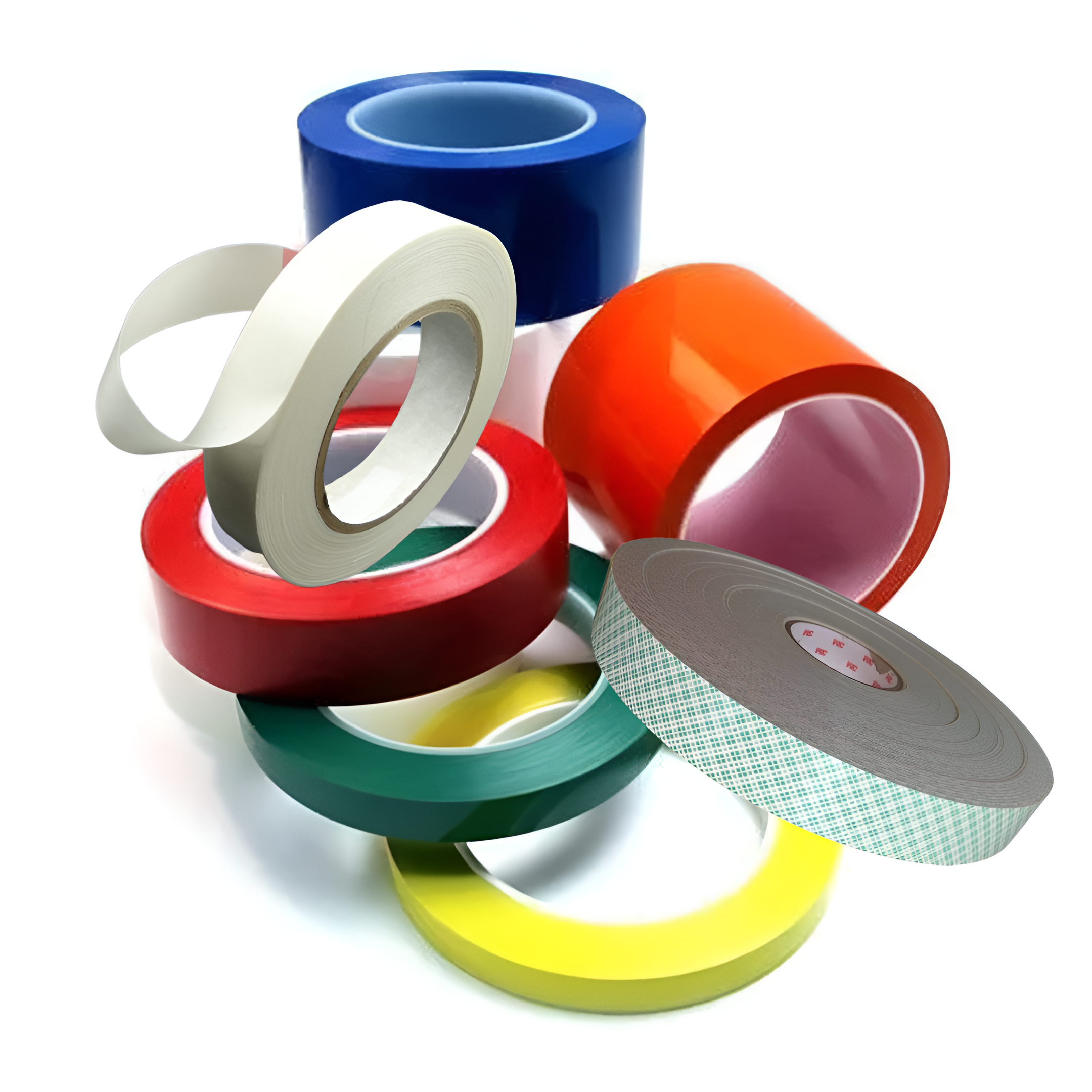
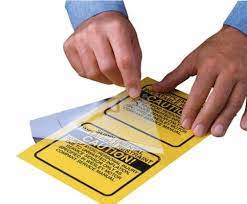
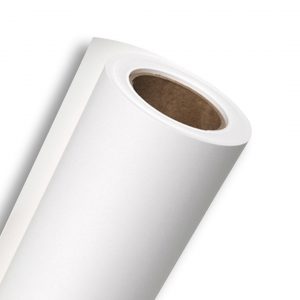
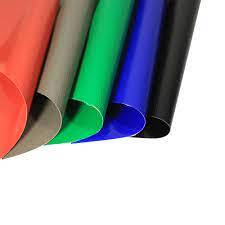
A graphic film is a thin, flexible material — typically made of vinyl, polyester, or specialty compounds — engineered to adhere to surfaces and carry visual, functional, or protective properties. The simplest way to think about it: if paint is how surfaces have traditionally been changed, graphic films are how surfaces are now transformed.
The distinction matters more than it sounds. Paint is permanent, slow, and limited in its visual capability. A graphic film can be applied in hours, can reproduce photographic-quality imagery, can provide functional benefits like UV resistance or acoustic dampening, and — critically — can be removed or replaced when a brand evolves. In a world where agility is a competitive advantage, the removability of a graphic film is as important as its visual impact.
“Surfaces are the first language a brand speaks. Before a word is read or a product is touched, the space itself has already made a statement.”
The PaperLam product universe
What makes PaperLam distinctive is the breadth of the product range — a deliberate choice that reflects a simple belief: every application deserves an engineered solution, not a compromise.
Wall & glass films
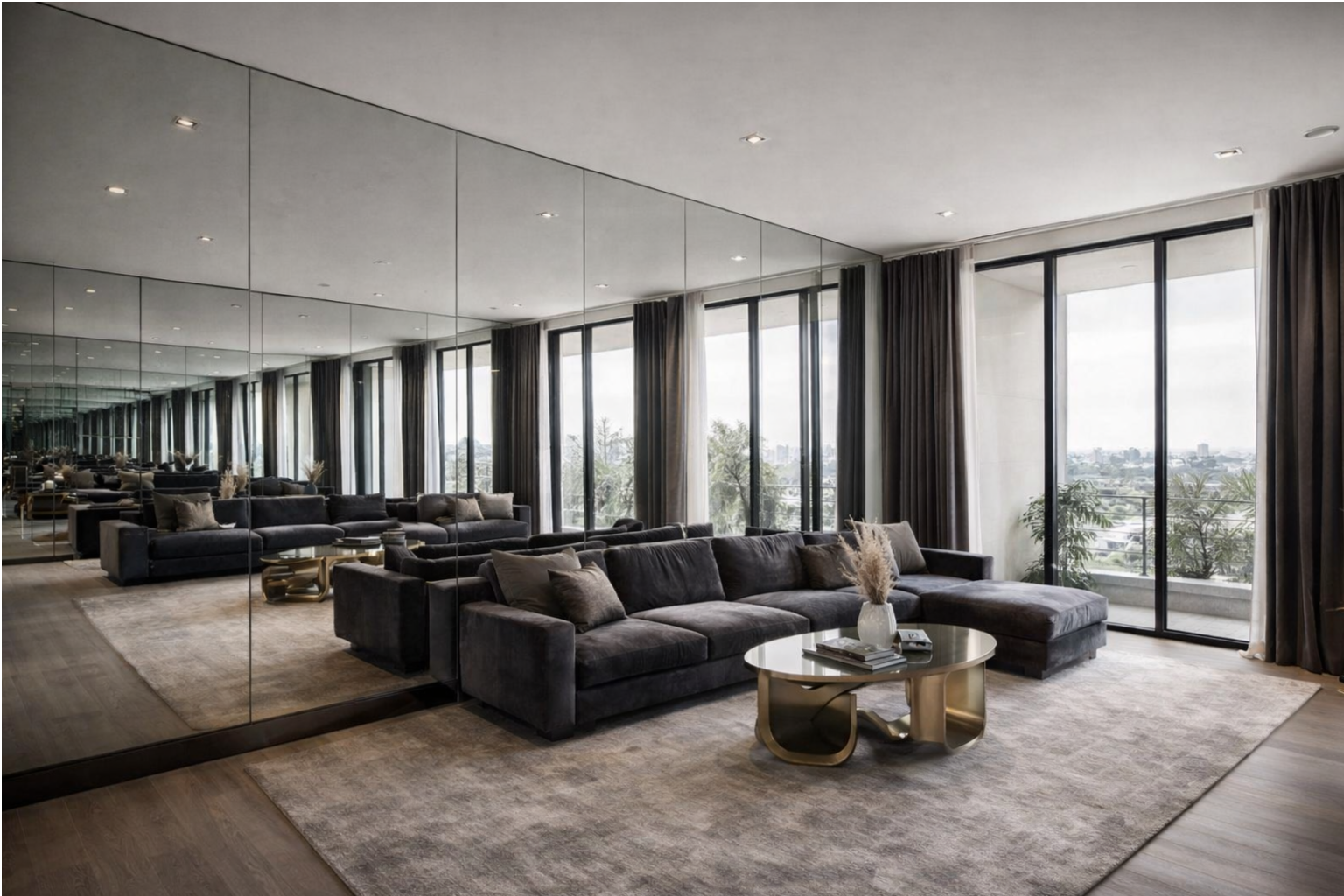
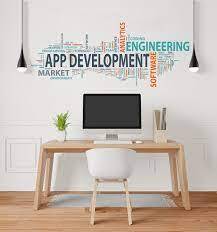
From frosted privacy films to full-bleed photographic wall graphics, our films turn architectural surfaces into communication canvases.
Fleet & vehicle wraps
High-durability cast vinyl films engineered to conform to vehicle contours and withstand outdoor conditions without fading or lifting.
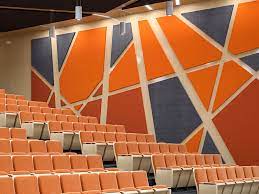
Acoustic films
Specialist films that reduce noise transmission in office and hospitality environments — invisible infrastructure for quieter, more productive spaces.
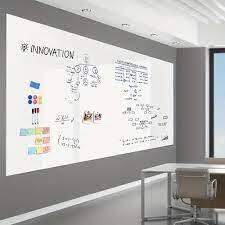
Writable films
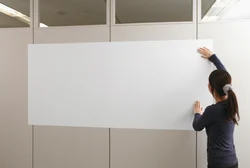
Marker-board and chalkboard films that transform any flat surface into a collaborative writing surface — perfect for offices and schools.
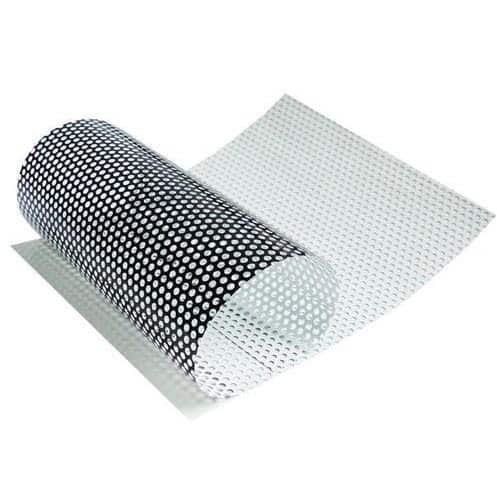
One-way vision
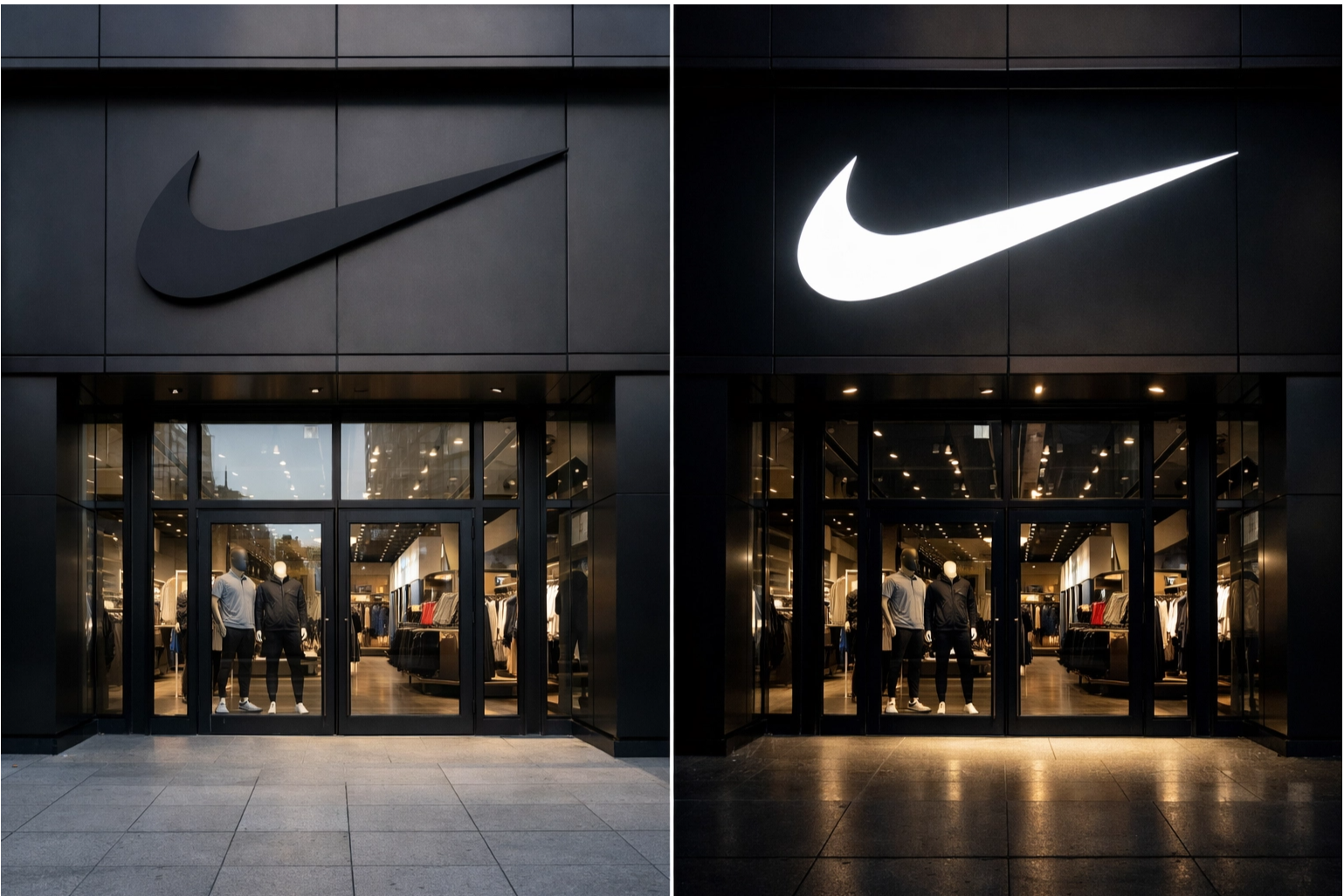
Perforated films that allow full-colour graphics on glass while maintaining clear sightlines from the inside — ideal for retail facades.
Over-lamination
Protective overlaminate films that extend the life of printed graphics, adding gloss, matte, or anti-graffiti finishes to any substrate.
Each product category is the result of close collaboration with architects, interior designers, fleet managers, and branding professionals — people who understand that the difference between a good material and the right material is measured in years of performance and thousands of square metres of surface.
Sustainability: built into the film, not bolted on
The graphic film industry has historically carried an environmental burden — large volumes of PVC, solvent-based adhesives, and single-use release liners. PaperLam takes a different approach. Sustainability is not a marketing claim; it is an engineering constraint that shapes our product development from the beginning.
Our product range increasingly incorporates eco-solvent-compatible substrates, low-VOC adhesive systems, and recyclable liner materials. The result is a range of films that deliver premium performance while reducing the environmental footprint of every installation. For brands with sustainability commitments, this matters — a store refurbishment done with eco-conscious films is a story worth telling, not a detail to bury.
45%
Average cost saving vs. traditional branding methods
99%
Project success rate across all installations
6+
Industries served — from retail to metro rail
Who uses graphic films — and how
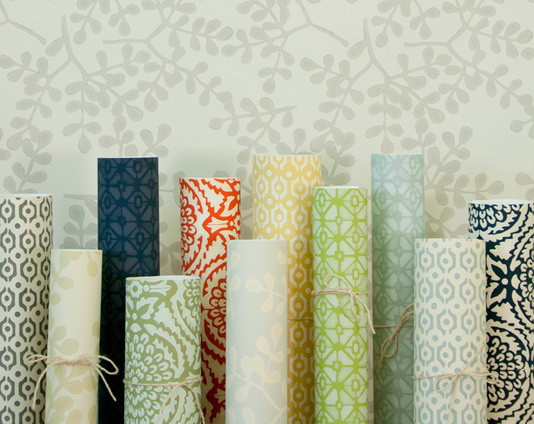
The answer is broader than most people expect. Graphic films are the invisible backbone of visual environments across industries.Retail & Visual Merchandising Hospitality & HotelsCorporate OfficesArchitecture & InteriorsAutomotive & FleetTransit & Metro Rail Retailers use window films and wall graphics to communicate seasonal campaigns without the cost of permanent signage. Hotels use frosted glass films to create privacy zones in open-plan suites. Architects specify textured wall coverings that add material depth to otherwise flat surfaces. Fleet operators use vehicle wraps to build brand presence across geographies with a single production run.
PaperLam has served projects for Delhi Metro, Chennai Metro, Maha Metro, Microsoft,
Samsung, and National Public School — spanning transit, tech, and education.
What connects all these applications is a shared understanding: the environment shapes the experience. A well-branded space communicates professionalism, attention to detail, and identity before a single conversation takes place.
Choosing the right film: a brief guide
Not all films are created equal, and the right choice depends on three variables: the substrate (what you are applying to), the environment (indoors, outdoors, high-traffic), and the duration (temporary campaign vs. permanent installation). A film that performs beautifully in a climate-controlled interior may fail quickly on an exterior facade with direct sun exposure. A cast vinyl rated for seven-year outdoor durability is over-engineered — and over-priced — for a six-month promotional window.
This is where PaperLam’s consultative approach adds real value. Our team works with specifiers to match the product to the project, not to upsell. The goal is a film that performs exactly as expected, for exactly as long as needed — no more, no less.
The future of surfaces
The trajectory of graphic film technology points in one clear direction: greater intelligence embedded into the film itself. Smart films that switch between transparent and opaque on command. Films with integrated sensors for wayfinding and retail analytics. Substrates grown from bio-based materials that offer the performance of vinyl without its environmental legacy.
PaperLam is actively tracking and testing these developments — not as distant ambitions, but as near-term roadmap items. The belief driving this work is simple: the surfaces around us will become increasingly capable of communicating, sensing, and adapting. The companies that master the materials behind this shift will define the visual language of the next decade.
Every surface is an opportunity. At PaperLam, we intend to make the most of every one of them.
Ready to transform your space?
Talk to the PaperLam team about your next project.